P/N 2455038-2: Cutlass Engine Baffle Replacement
P/N 2455038-2: Cutlass Engine Baffle Replacement
Blog Article
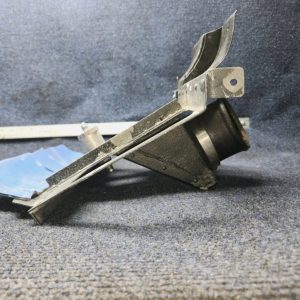
The Cessna 172RG Rear RH Baffle Assembly
A Cessna 172RG Rear Right-Hand Baffle may also be described as a Cessna 172RG Engine Baffle or Cessna 172RG Cooling Baffle when the position and part number remain clear.
The Cessna 172RG Baffle Assembly works with surrounding seals and panels, while the Rear RH Engine Baffle should not be evaluated as an isolated piece.
Clear descriptions of Cessna 172RG Engine Compartment Parts help maintenance professionals estimate the full scope of the repair.
The Cessna Aircraft Engine Baffle, Engine Cooling Baffle Assembly, Cessna Cutlass Cooling System Part, and Cessna 172RG Replacement Baffle terms represent related maintenance and commercial searches.
Understanding P/N 2455038-2
The P/N 2455038-2 marking should be confirmed through stamped identification, labels, donor-aircraft records, packaging, photographs, and applicable Cessna parts information.
Strong traceability improves the commercial and maintenance value of the Cessna 172RG Rear RH Baffle Assembly.
Purpose of the Rear RH Engine Baffle
Cracks, missing seals, loose fasteners, or distorted edges can allow cooling air to bypass intended areas.
Cooling performance depends on proper pressure differences, sealed boundaries, suitable airflow paths, and accurate baffle positioning.
Avoiding Incorrect Baffle Substitution
Aircraft-specific verification helps prevent unsuitable substitution and expensive rework.
Qualified maintenance personnel should determine whether the component is suitable for installation.
Aircraft Engine Baffle Construction
Preserving original geometry supports proper alignment and airflow management.
Previous forming or repair work should be disclosed and inspected carefully.
Rear RH Baffle Damage Inspection
Paint, oil residue, dirt, and old seal material can conceal findings that require closer review.
The assembly should be checked for evidence of engine vibration, cowling contact, exhaust heat, fluid contamination, impact, improper removal, and unsuitable storage.
Inspecting Engine Baffle Seals
The offered assembly should identify whether seal material, retainers, rivets, or mounting hardware are included.
Seal attachment holes and retaining strips should be inspected for corrosion, cracking, elongation, and previous modification.
Engine Compartment Contamination Concerns
Corrosion inspection should address exposed surfaces, overlapping joints, fastener areas, lower edges, brackets, and locations where moisture or contaminants can collect.
Oil, fuel, cleaning chemicals, battery residue, exhaust deposits, moisture, and salt exposure can affect engine-compartment sheet metal and protective finishes.
Cessna Engine Baffle Mounting Condition
Loose fasteners in the previous installation may have allowed movement that damaged both the baffle and nearby components.
Old hardware should not be reused automatically because it fits the existing holes.
Supporting Components Around the Rear RH Baffle
The complete engine-compartment area should be inspected before parts website are ordered.
Damage can vary across components exposed to the same vibration, heat, accident, or storage environment.
Inspecting the Complete Cooling System
Temperature sensors and gauges should be evaluated when readings appear inconsistent with other operating evidence.
System-level diagnosis supports responsible engine cooling maintenance.
Repairing a Damaged Engine Baffle
The decision to repair or replace a damaged baffle depends on crack location, corrosion, deformation, missing material, hole condition, previous repairs, and available technical data.
The completed component should be inspected before installation.
Buying P/N 2455038-2
Honest listings reduce disputes and strengthen buyer confidence.
Dimensions and detailed photographs should be supplied before shipping arrangements are finalized.
Rear RH Cooling Baffle Condition Checklist
The seller should provide photographs showing both sides, flanges, holes, brackets, contours, edges, markings, corrosion areas, seals, and repairs.
- Resolve identity, compatibility, orientation, and package-completeness questions before payment.
- Inspect the baffle for cracks, corrosion, pitting, dents, buckling, distortion, elongated holes, fretting, broken brackets, damaged flanges, and previous repairs.
- Require packaging that supports the baffle without bending flanges, crushing contours, damaging brackets, scratching finishes, or allowing loose hardware to strike the panel.
Preventing Damage During Storage
The shipping container should resist crushing, puncture, vibration, and uncontrolled movement.
During storage, the component should remain supported in its natural shape rather than leaning under loads that may cause distortion.
Completing a Rear Baffle Replacement
Installation should be completed by appropriately qualified aviation maintenance personnel using applicable aircraft, engine, parts, and maintenance information.
Temporary fitting can help reveal alignment and clearance concerns before final attachment.
Abnormal vibration, rubbing, loose hardware, unusual temperature indications, or cowling interference should receive prompt attention.
Long-Term Rear Baffle Inspection
Long-term maintenance includes periodic inspection of the baffle, seals, fasteners, brackets, adjacent panels, cowling contact areas, protective finishes, and corrosion-prone locations.
Wiring, hoses, and controls should not rub against the baffle or create repeated loading.
Buying a Rear Right-Hand Engine Baffle
P/N 2455038-2 can become a valuable engine-compartment component.
Careful technical and commercial evaluation can reduce fitment errors, missing-component costs, cooling-system gaps, installation delays, and unexpected corrosion findings.
Whether buyers need a Cessna 172RG Baffle Assembly, Rear RH Engine Baffle, Aircraft Engine Baffle Assembly, or Cessna Engine Cooling Baffle, aircraft-specific compatibility should be verified.
With responsible purchasing, part-number research, careful handling, alignment checks, and appropriate workmanship, the assembly can remain a valuable engine-compartment asset.
Report this page